From Discarded Denim to a Finished Shoe: The Work Behind an Upcycled Collection
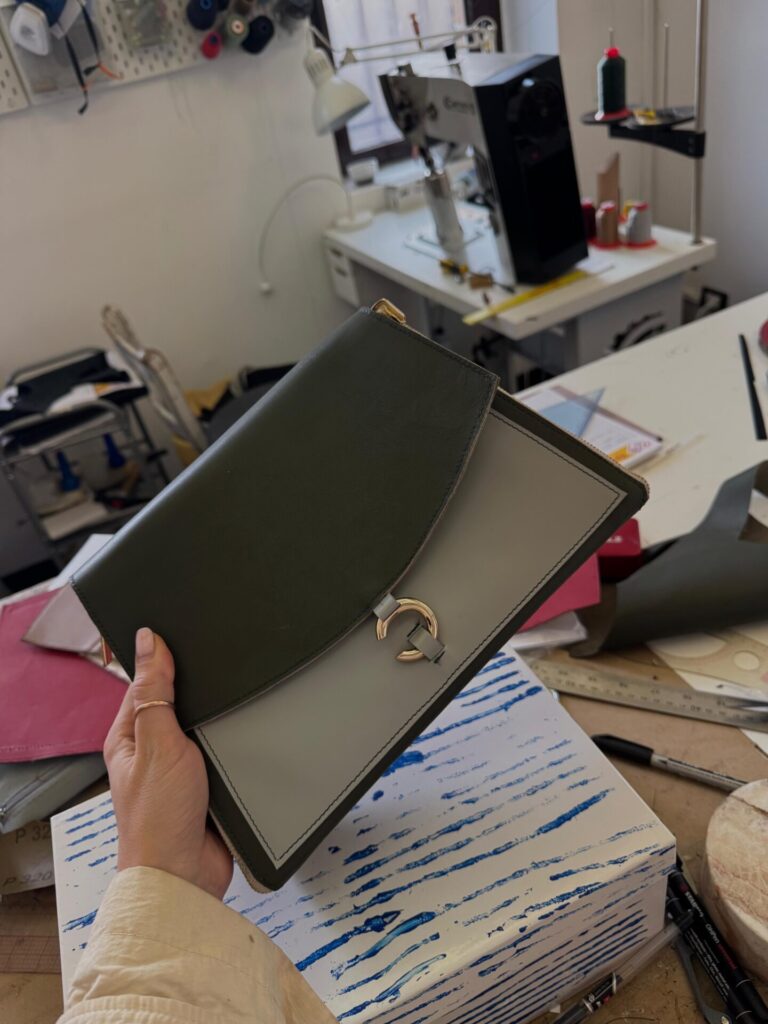
From an existing sample and a minimum order of 100 handbags available in two colorways to a planned collection of just 30 handbags available in three colorways. How we’re helping an independent brand prepare for production in Italy.
At DYC, we’re best known for developing and producing footwear in Italy. Over the years, we’ve worked with independent designers and founders on material sourcing, technical development, sampling and manufacturing. But our work isn’t limited to shoes. We also support handbag development in Italy through our network of suppliers, skilled artisans and manufacturing partners.
One of our current projects is with YOU’RE ALL THAT, an independent handbag brand preparing to launch its first collection.
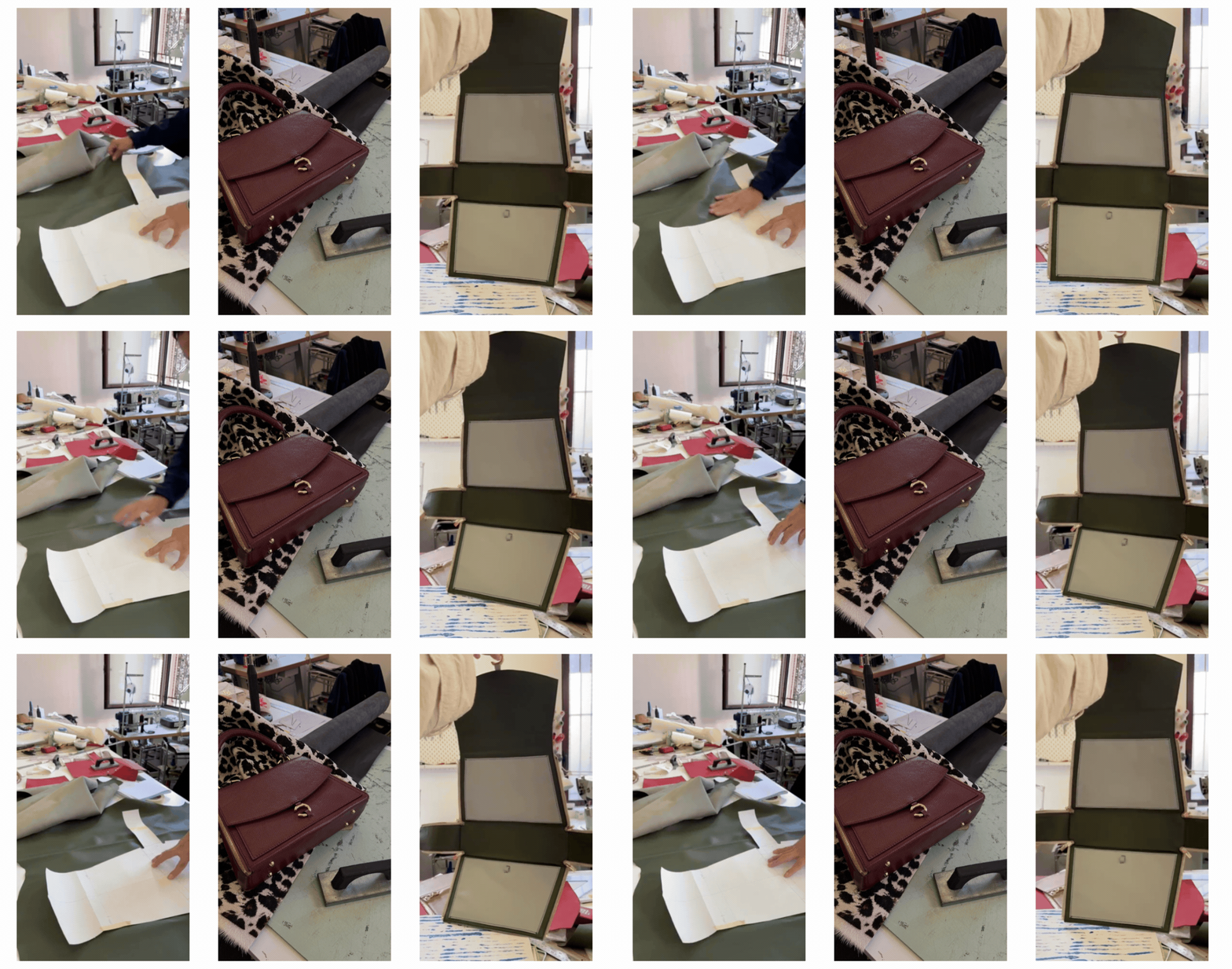
Its first design, Lolita, is a reversible leather handbag. A system of four corner zippers allows the bag to be turned inside out, changing from one color to another while maintaining its structured shape. It also features a removable lining, an interchangeable handle and a construction that allows it to fold flat for travel.
When the founder came to DYC, she had already spent two years developing the handbag. She had a working sample that she’d tested through everyday use, but hadn’t found a production solution that made sense for launching her brand.
From 100 handbags to 30, with more color options
The original manufacturing plan required a minimum order of 100 handbags across two colorways. For an independent founder launching her first product, that meant committing to a substantial amount of inventory before knowing how customers would respond.
The design was already developed, but the production quantity was holding the launch back. When the founder started working with DYC, we looked at how the collection could be produced differently through our Italian manufacturing network.
The new plan is to produce 30 handbags across three colorways, with just 10 pieces of each. That’s 70% fewer handbags than originally planned, while offering customers 50% more color options.
For the founder, this means a smaller initial production commitment and a wider selection for customers. It also provides an opportunity to understand demand before deciding on future production quantities.
Not every handbag can be produced in quantities of 10. Minimum orders depend on the materials, components, construction and manufacturing partners involved. At DYC, we evaluate what’s possible for each project, balancing the planned quantities with the technical and material requirements.
Improving an existing handbag sample
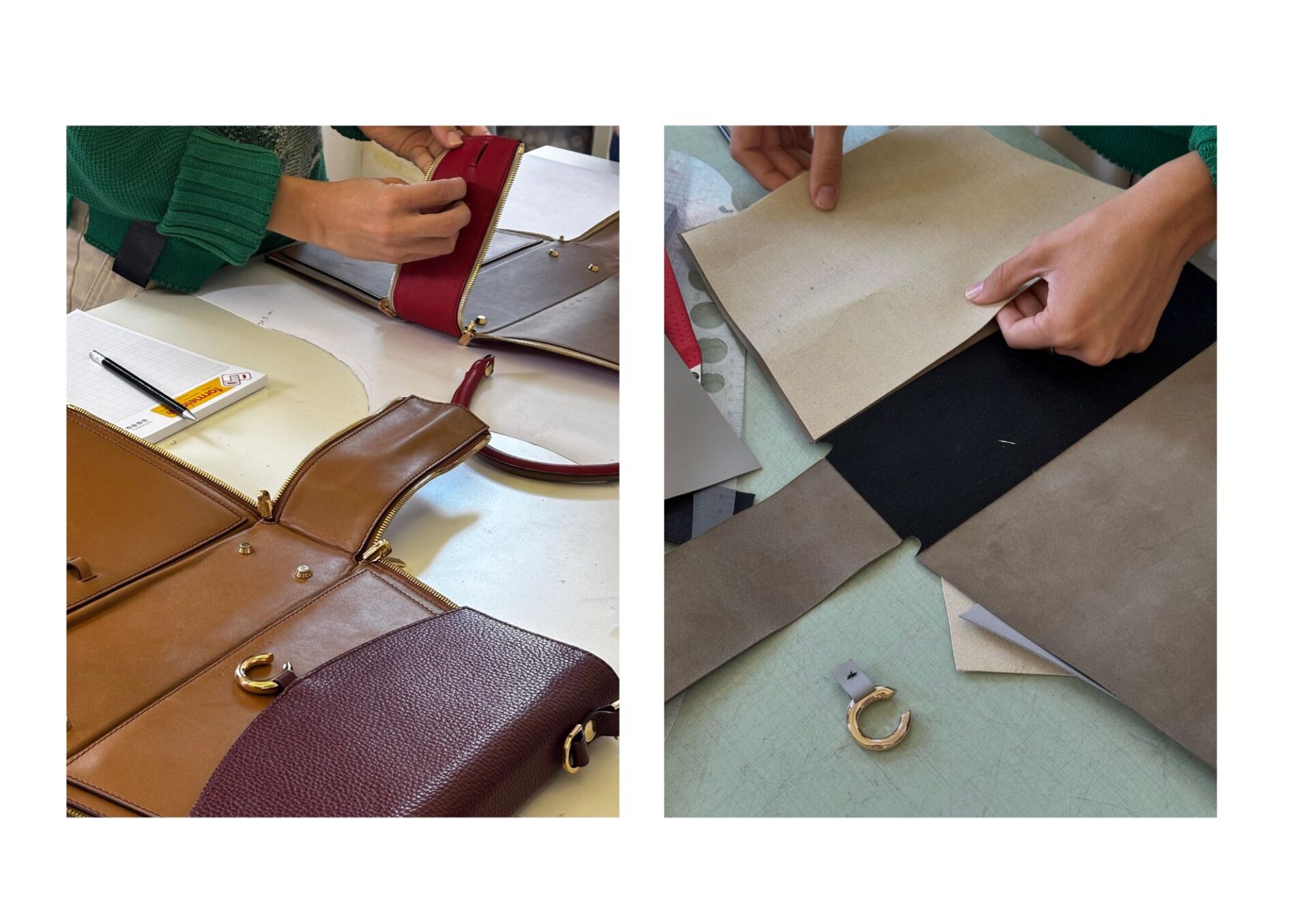
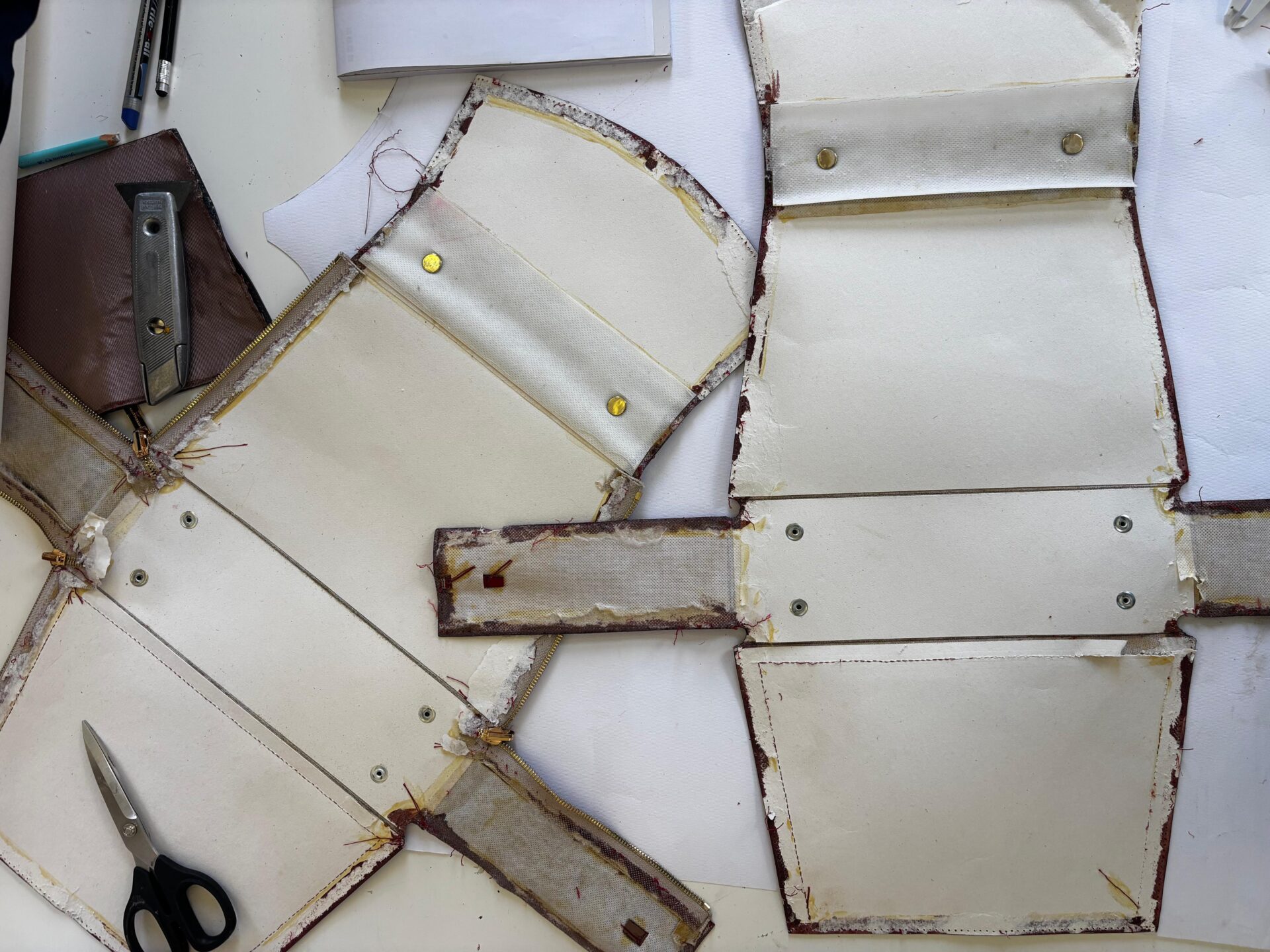
Since Lolita already existed as a functioning sample, our work began with examining the construction and identifying what could be improved before manufacturing. One of the main challenges was the weight.
Unlike a conventional handbag, Lolita uses two layers of leather because both sides are designed to function as the exterior. This makes the choice of leather particularly important. The material needs to be light enough for comfortable everyday use without compromising the handbag’s structure.
The reversible construction adds another requirement: flexibility. The leather needs to withstand being turned inside out repeatedly while maintaining its shape. We also need to consider durability and scratch resistance, since both sides of the handbag will be exposed to everyday wear.
These requirements aren’t always easy to combine. A thicker leather might provide structure but add too much weight, while a softer leather might be easier to reverse but may not hold the intended silhouette.
We’re evaluating different leather options to find the right balance between weight, flexibility, structure and durability. We’re also reviewing the zippers, hardware and removable components, since their dimensions and weight affect the finished product.
Applying our footwear experience to handbag development
Much of our technical experience at DYC comes from footwear development. Working on shoe collections involves understanding leather properties, construction methods, pattern making and how different materials behave once assembled.
These same skills are valuable in handbag development, particularly when a design requires more than conventional construction.
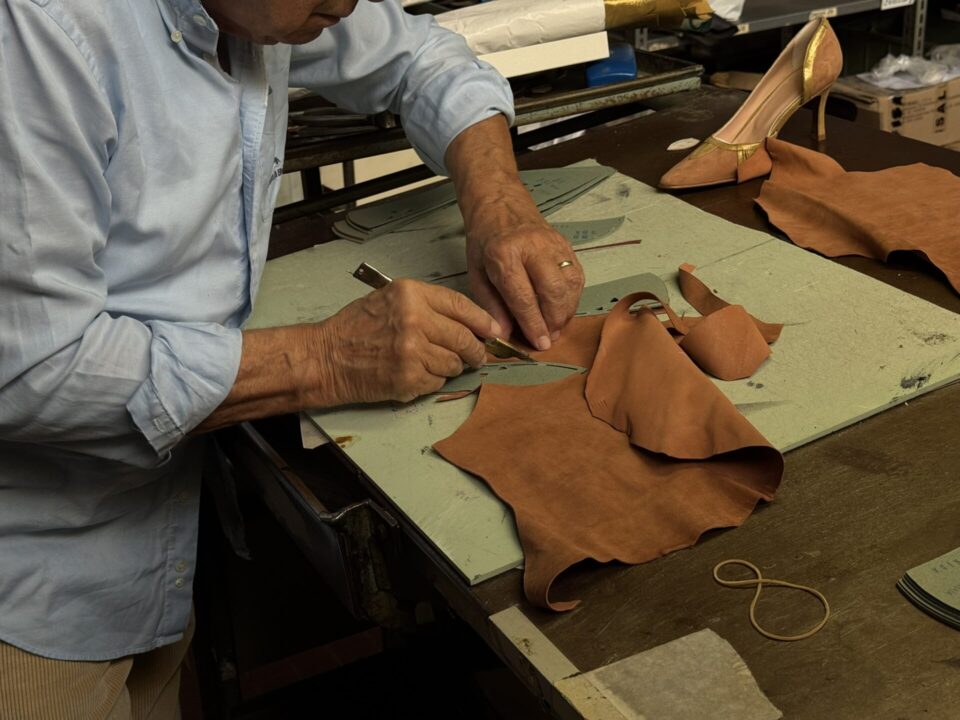
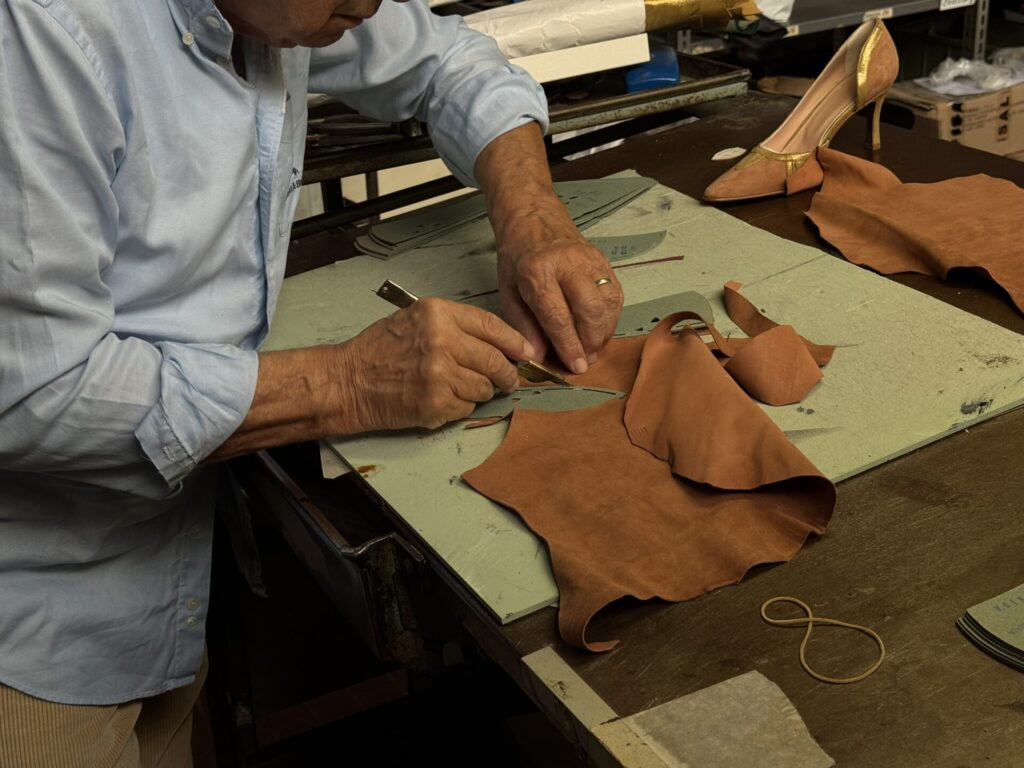
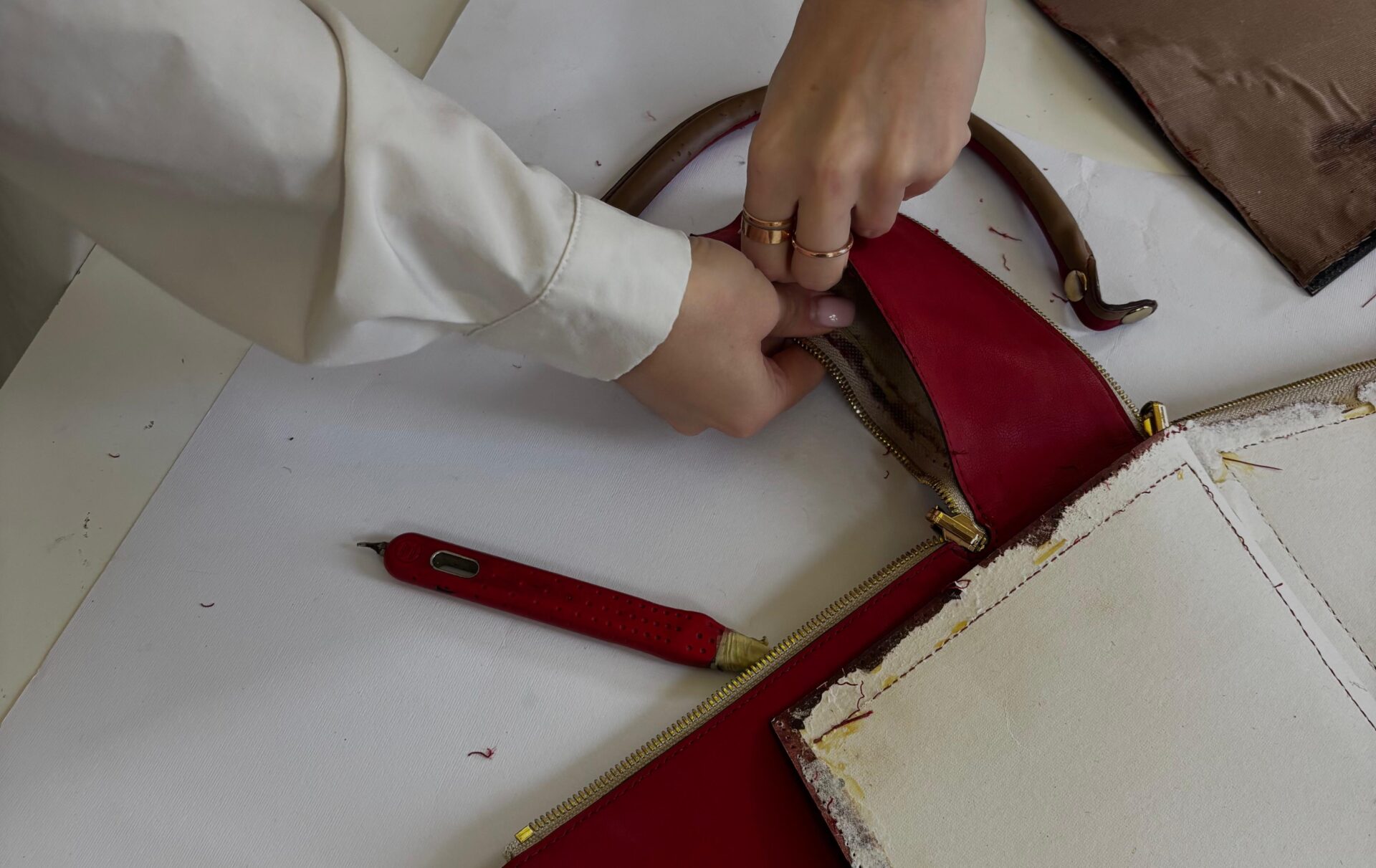
Beyond material selection, we’re also reviewing the handbag’s pattern making to identify where adjustments could reduce weight and minimize leather waste during cutting. Even small changes in how individual pieces are designed and assembled can affect material consumption and the finished product.
The way a handbag is cut can also determine which materials can be used.
For example, hair-on-hide leather, often called cavallino, has a natural direction to its hair. Using one continuous piece in a reversible handbag could leave the hair facing the wrong direction on one side. By introducing carefully planned cuts and adjusting the pattern, we can explore materials that wouldn’t otherwise work with the original construction.
This is where our experience in footwear development becomes particularly useful. We’re applying our knowledge of leather cutting, material behavior and construction to explore suitable solutions with specialized Italian artisans.
Throughout the process, the founder remains involved in design decisions, while we work with the specialists needed to translate those decisions into a handbag that can be manufactured.
Preparing a small collection for production
A smaller production run doesn’t necessarily mean a simpler development process. Materials and components often come with minimum purchase quantities, and manufacturers need to consider whether a particular construction is practical for a limited number of pieces.
For Lolita, the reversible zipper system, removable lining and interchangeable handle all need to be considered when planning production. The collection will also include three colorways, which means coordinating different leather selections while keeping the construction consistent.
We’re now working through these requirements ahead of the first production run, making sure the construction, materials and distinctive details of Lolita remain consistent across all three colorways.
Each of the 30 planned handbags will be individually numbered and include a unique quote from the founder’s writing sewn inside.
YOU’RE ALL THAT is planning to launch its first collection during Milan Fashion Week in February 2027.
Reservations are already open for the first limited collection. Visit the YOU’RE ALL THAT website to reserve your handbag or subscribe to the newsletter for updates on the development process, colorway reveals and the upcoming launch. You can also follow the brand’s journey on Instagram.
Have a sample but no production plan?
Having a working sample doesn’t always mean you’re ready to manufacture it. You might still be struggling with production minimums, material choices, construction details or finding the right manufacturing partners.
At DYC, we help independent footwear and handbag founders turn existing designs into products that are ready for production in Italy. Whether you need to refine a sample or rethink your manufacturing plan, we can help you understand your options.
You don’t have to start from zero, and you don’t have to figure out production on your own.
If you’ve been developing a shoe or handbag but haven’t found the right way to manufacture it, we’d love to hear about it.