Your Factory Quote Is Not Your Product Cost
The brand I lost to a production mistake
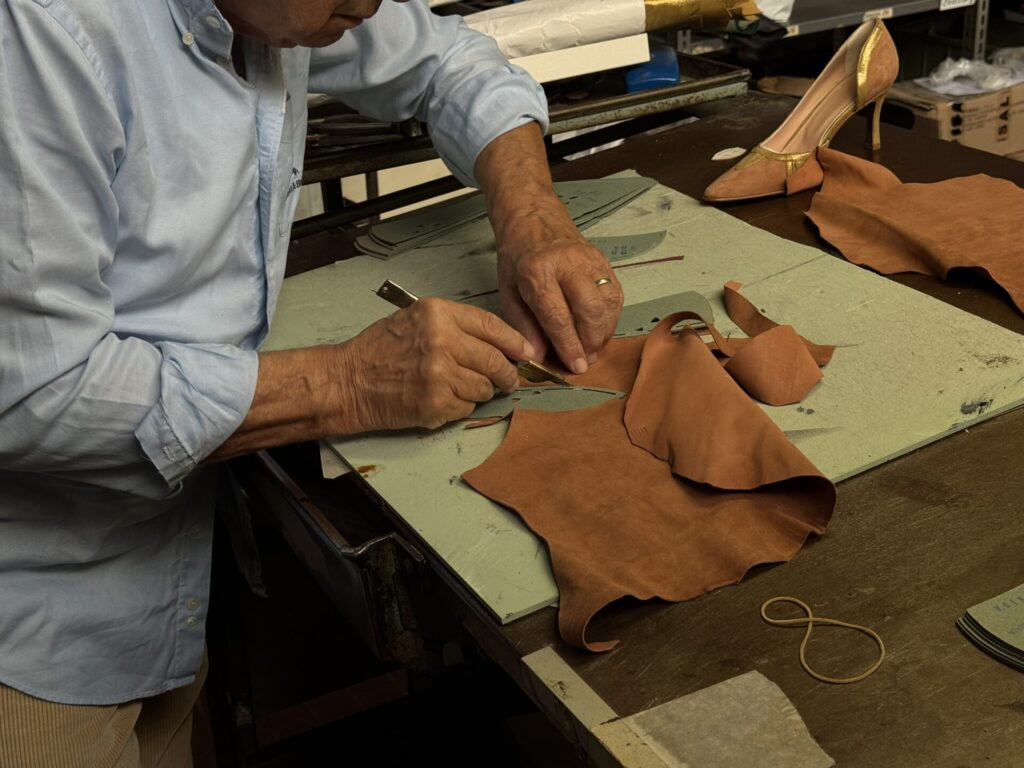
A footwear collection can start with a strong idea, but turning that idea into a product that can actually be made is a completely different process.
Recently, we worked with an independent footwear founder developing a new collection in Italy.
The founder came to us with a clear creative direction and a strong understanding of what the brand should represent. Our role was not to take over that vision, but to help translate it into a product that could work technically and move towards production.
What followed was the part of footwear development that customers rarely see: materials, prototypes, fittings, pattern corrections, supplier conversations and time at the factory.
Throughout the process, one thing became especially important: keeping the founder involved.
The Challenge
A design can look completely resolved on paper and still raise new questions once development begins.
How will the chosen material behave in the construction? Will the proportions work once the shoe is actually worn? Does the pattern need to change after the first fitting? Can the factory reproduce a particular detail consistently?
These are not necessarily problems with the original design. They are simply part of turning a concept into a physical product.
In this project, the challenge was to preserve the founder’s original direction while working through the technical decisions that came up during development.
To do that, we needed constant communication between the founder, DYC, suppliers, technicians and the factory.
Starting With the Product
The first stages focused on understanding the product in detail.
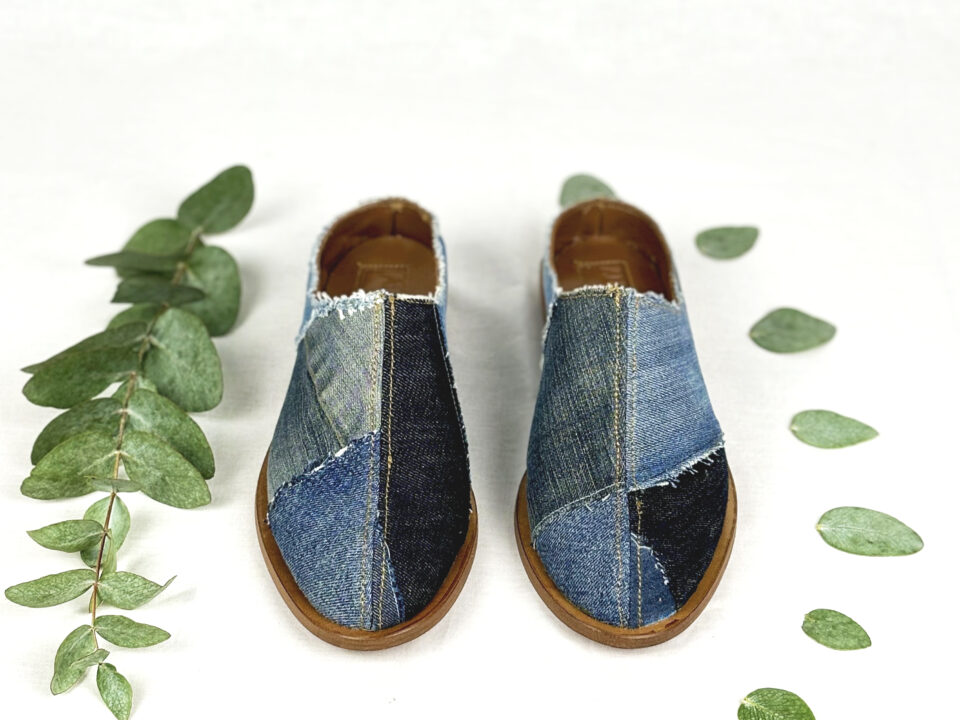
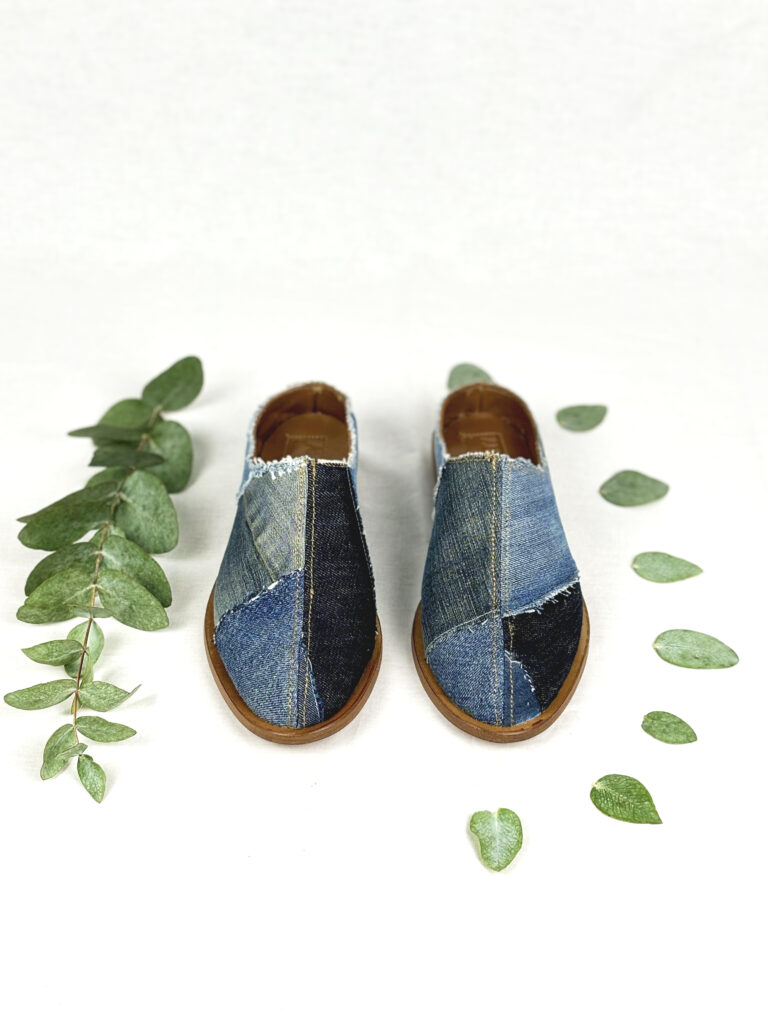
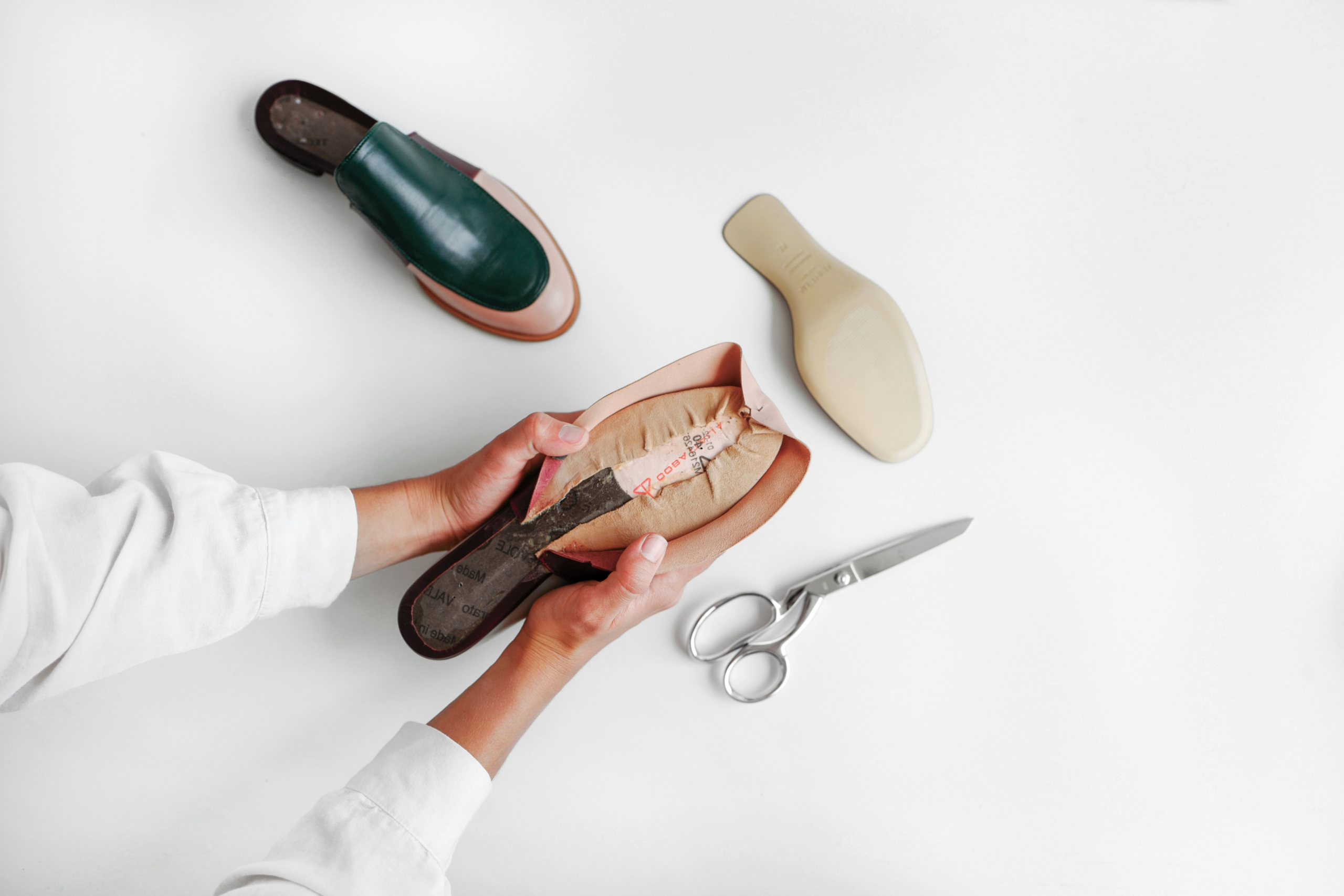
We worked through material options, construction possibilities and the different components required to achieve the intended result before moving into prototypes.
A prototype gives you information that a sketch simply cannot. Once you have the physical product in front of you, you can see how the materials behave together, how the proportions feel and where adjustments might be needed.
From there, the process became one of reviewing, testing and correcting. Some elements worked immediately, while others needed another round, which is a normal part of footwear development.
From Prototype to Fitting
Fittings were one of the most important stages of the project because this is where decisions that may seem small on paper become much more visible.
A few millimetres can affect the proportion, comfort or the way the shoe sits on the foot. A construction detail may need to change, or a pattern may need another correction before the next prototype is made.
Our job at DYC is to identify these details, communicate them clearly to the people making the product and keep development moving without losing sight of the original concept.
Some decisions are creative and others are technical, but most require a little of both.
Keeping the Founder in the Process
One thing we strongly believe at DYC is that the founder should not disappear once product development begins.
The founder understands why the product exists, who it is for and what should make it different, while our team brings the technical footwear experience, development knowledge and Italian network needed to translate that vision into something that can actually be produced.
During this project, the founder remained involved as we reviewed materials, prototypes and fittings and worked through corrections with the factory.
That involvement matters because development inevitably brings moments when something needs to change.
The goal is not to protect every detail of the first sketch at all costs, but to understand which elements can evolve and which ones are essential to the identity of the product.
Why Trust Matters
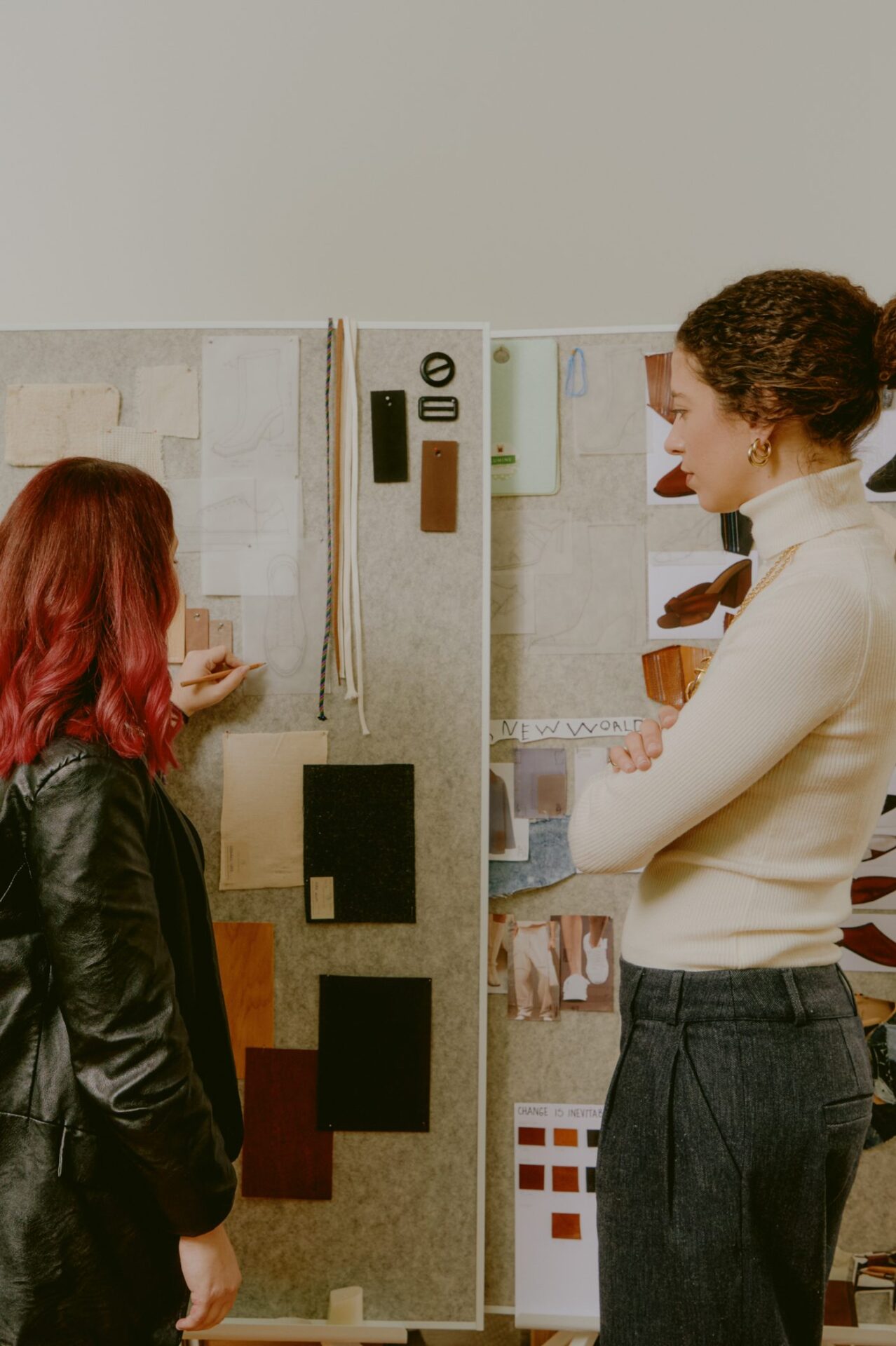
This is where trust becomes part of product development.
A founder needs to trust the development team enough to hear when a technical adjustment is necessary. At the same time, the development team needs to understand the founder’s vision well enough to know what should not be compromised.
Factories, suppliers, artisans, technicians and founders all bring different expertise to the process, and for the product to work, everyone needs to communicate clearly and work towards the same result.
At DYC, we often describe our role as the bridge between vision and execution.
We connect the founder with the technical knowledge, suppliers, artisans and factories required to develop the product, while making sure the original idea does not get lost somewhere between the sketch and the production line.
Inside the Factory
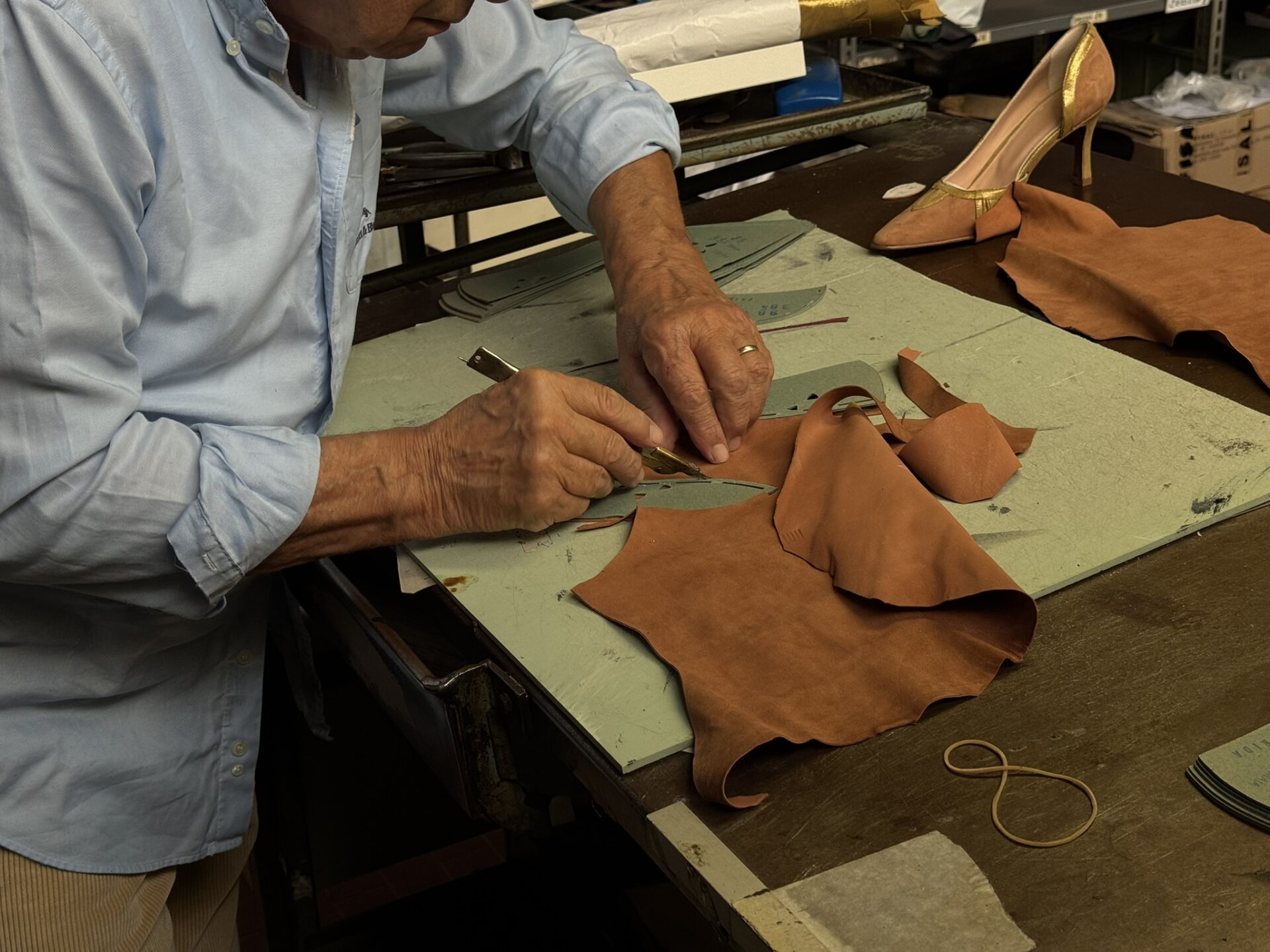
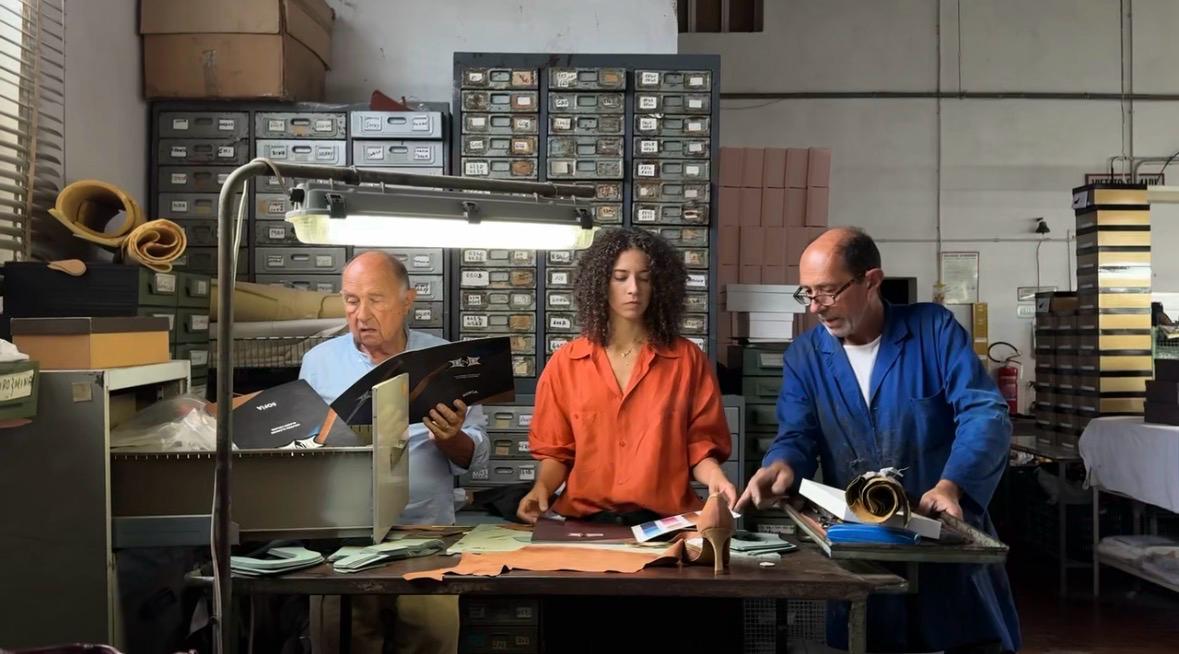
Eventually, development moves away from the sketchbook and the meeting table and into the factory, where all the previous decisions start coming together.
By this stage, materials have been selected, patterns have been corrected, prototypes have been reviewed and many of the technical questions have already been addressed.
But even at this point, the work is not simply handed over. Being present during development allows us to communicate directly with the people making the product, solve issues as they appear and make sure everyone is working towards the same result.
This is one of the parts of Made in Italy that can be difficult to understand from the outside. It is not only about where the shoe is produced, but also about the network of people and expertise behind it: pattern makers, technicians, artisans, material suppliers, component suppliers and factories.
The Result
By the end of the development process, the product is no longer simply the idea that existed in the founder’s head or on the original sketch.
It has gone through testing, adjustments, corrections, discussions and often more than one version before reaching this point.
The final product carries the founder’s original vision, but also the knowledge of all the people involved in bringing it into the real world.
That is what good product development should do: not take the product away from the founder, but give them the technical support needed to make it possible.
Have a Footwear Idea of Your Own?
This way of working with founders is also behind Prima by DYC.
10 designers. 4 months. From your design to your first Made-in-Italy collection.
Prima takes you beyond the sketch and into the real process of developing footwear, with technical expertise, development support and access to DYC’s Italian production network.
You bring the idea and creative direction, and we help you understand what it takes to make it.
Applications for Prima by DYC are open.