Inside a DYC Footwear Development Project: From Vision to Production

From Discarded Denim to a Finished Shoe: The Work Behind an Upcycled Collection

There was a moment when I genuinely thought I had made it.
My shoe brand was selling internationally. We had gone from an idea I had while living in Shanghai to a real Made in Italy footwear brand stocked by multibrand stores across Europe and Asia. I had started with no real idea of what I was getting myself into.
Eventually, someone said yes.
When I came back to Milan in 2015, I approached factory after factory trying to convince someone to produce my shoes. I remember going through meeting after meeting and hearing no. Eventually, someone said yes.
I put around €20,000 of my own money into those first samples, between savings, my job and every side hustle I could manage. We launched during Milan Fashion Week. Harvey Nichols in London picked up my first collection. By our fourth collection, we were selling internationally.
For a young designer building her first company, it felt enormous.
Then I made a decision that made perfect business sense.
And then I made a decision that, on paper, made perfect business sense.
I changed factory.
The new factory could produce the shoes for around €20 less per pair. When you’re building a fashion business and trying to make the numbers work, €20 per pair matters. Better margins meant more room to grow.
At least, that was the idea.
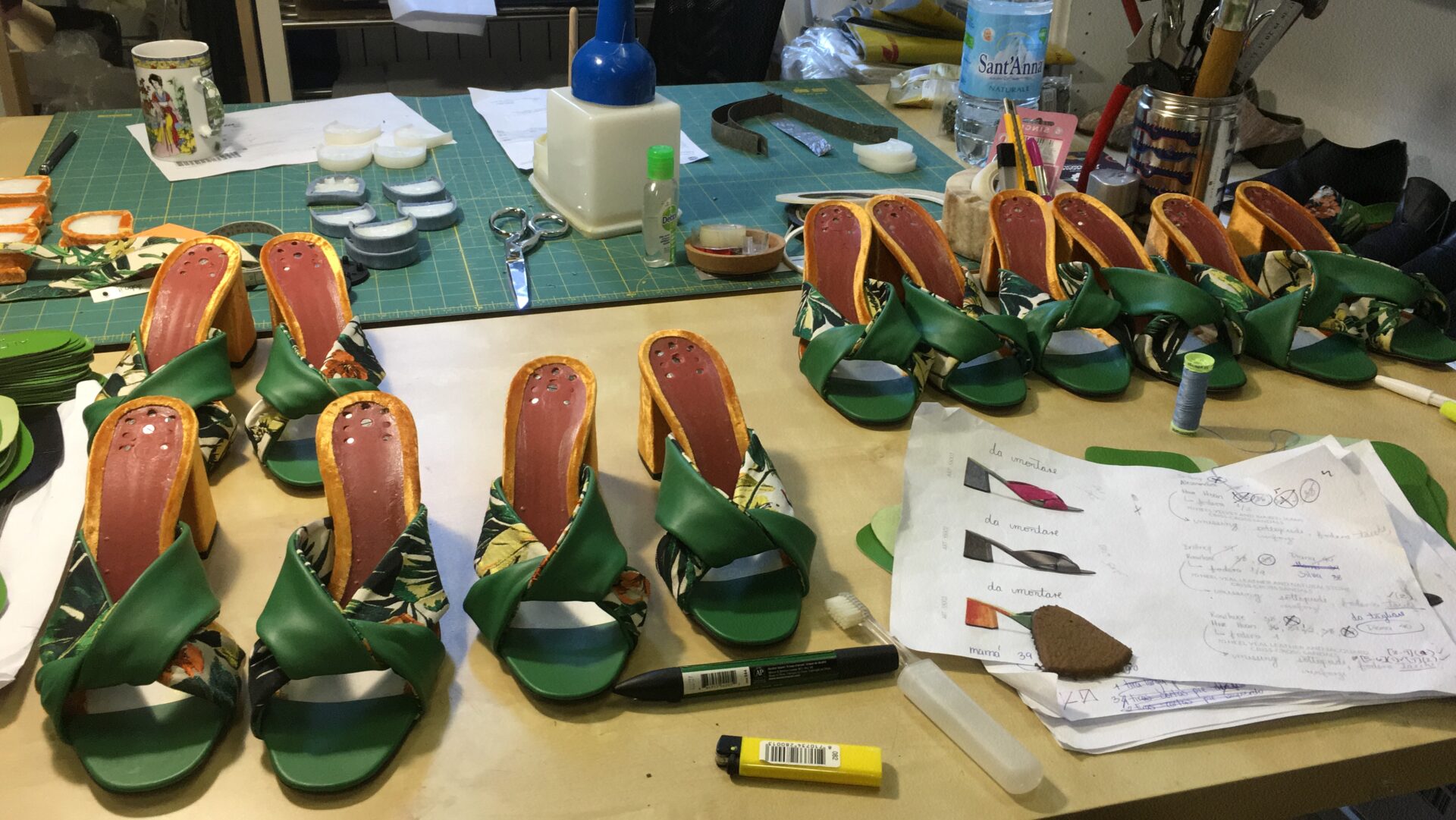
€20 less per pair became very expensive.
Instead, that decision almost destroyed everything I had built. The production arrived two months late.
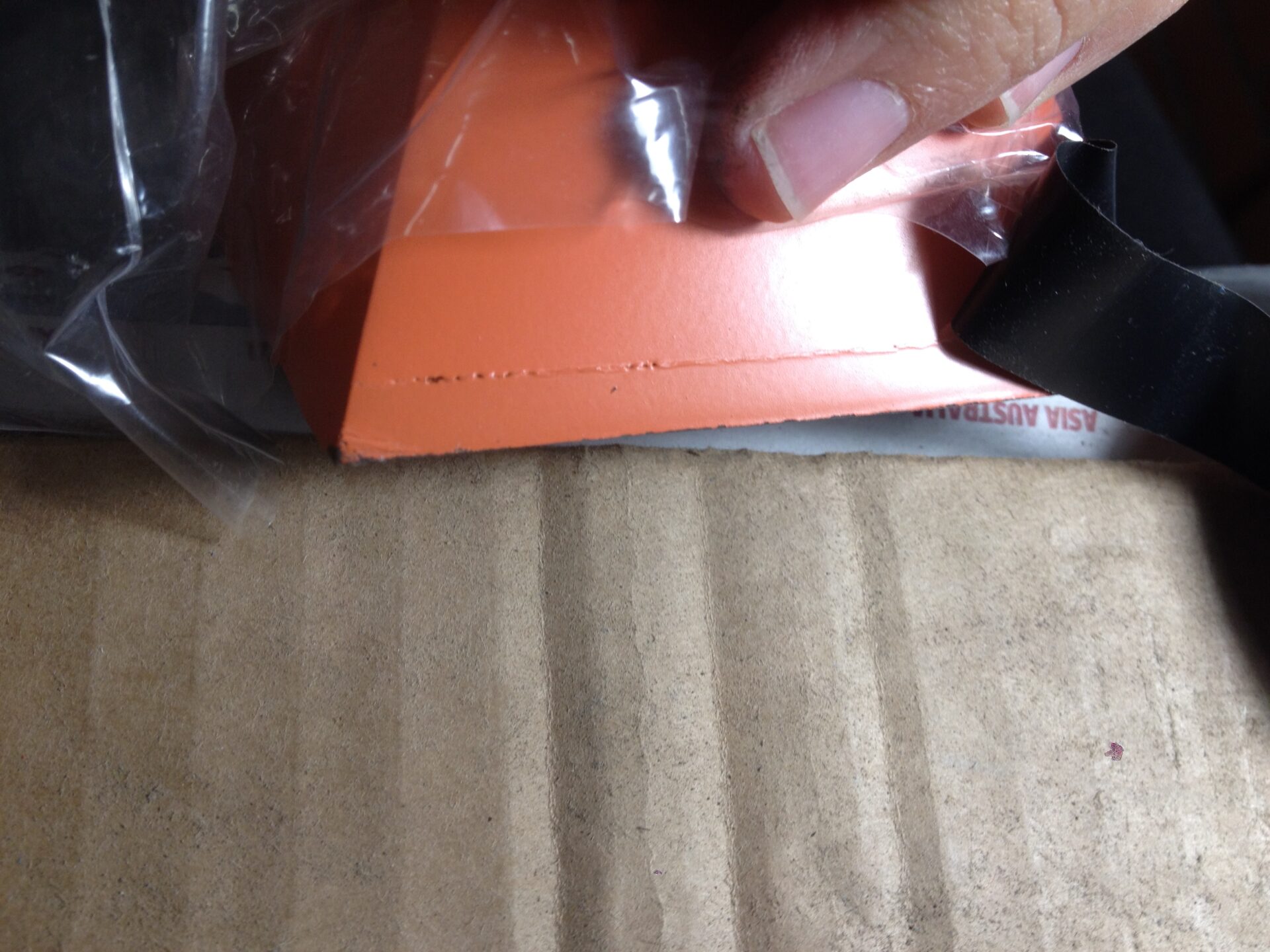
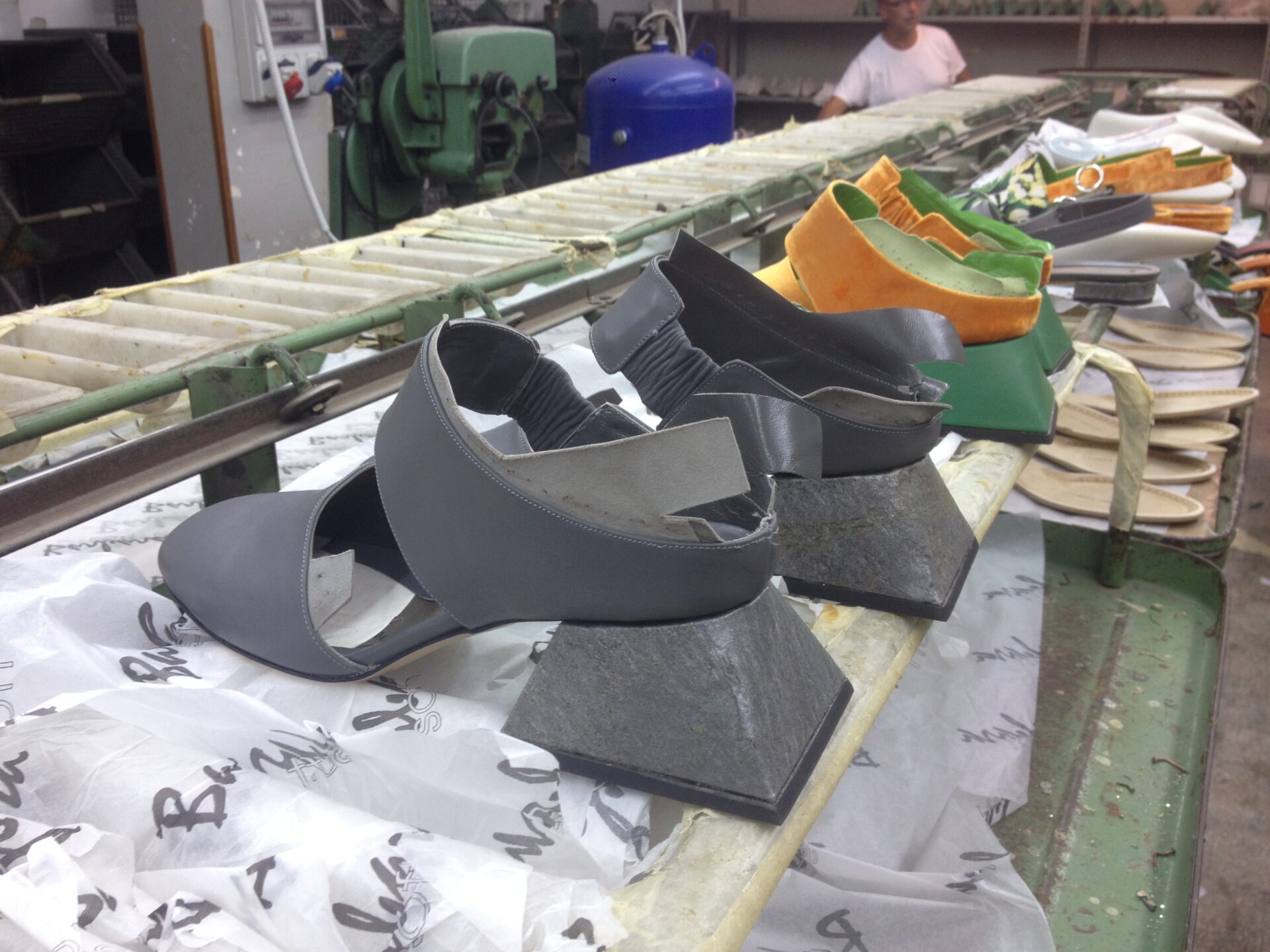
And when it finally arrived, the heels were wrong. Not slightly wrong. Wrong enough that a significant part of the production wasn’t sellable as it was. I remember going there myself and sanding heels, trying to save whatever we could.
Because here’s something you learn very quickly when you own the brand: The factory can make the mistake. But your client bought the shoes from you. They don’t care whose fault it was. And they shouldn’t. The responsibility is yours.
The damage wasn’t only in the shoes.
By the time we tried to fix everything, the damage wasn’t only in the shoes. We had missed delivery dates. Clients had been waiting. Trust had been broken. And I lost around 90% of my clients. Almost overnight.
It wasn’t just a bad production. It was the beginning of the end of the company I thought I was building.
Aletheia had come close to €250,000 in revenue. From the outside, I had built something. From the inside, I was left with debt, unsellable product, lost clients and a business that could no longer absorb another mistake.
And I was angry.
I could make these shoes myself.
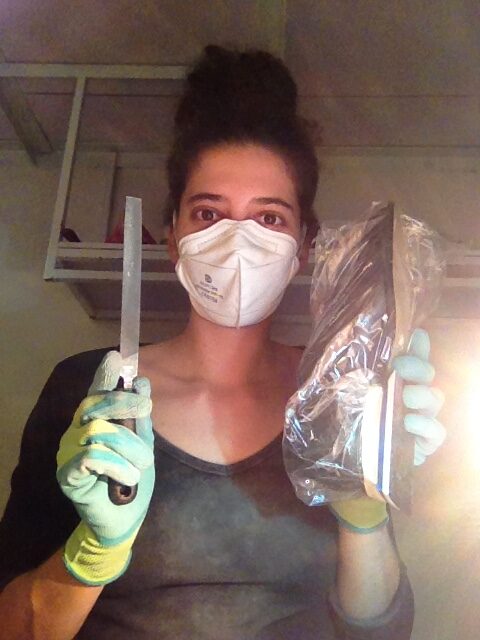
At one point, I remember thinking: I could make these shoes myself. There was only one small problem. I didn’t actually know how to make shoes.
So I started looking for people who did. I joined shoemaking groups on Facebook. I made calls. I asked questions. I looked for artisans. And within about a week, somehow, I was making shoes.
Not because I suddenly became a shoemaker. Because I started building a network.
And without realizing it at the time, that was the beginning of Diana Yanes Consulting.
The factory wasn’t the real problem.
It took me years to understand what I had actually lost. For a long time, I thought the lesson was about choosing the wrong factory.
It wasn’t.
The factory mistake was the event. The real problem was the system around it. I had built a brand around a product I loved, but I didn’t yet have enough control over the ecosystem producing it.
I didn’t know enough about where the risks were. I didn’t have the network I have today. I didn’t have decades-long supplier relationships. I didn’t have an internal team that could intervene when something went wrong. I didn’t have alternative factories I trusted.
And, most importantly, I didn’t have someone sitting on my side of the table who understood both what I was trying to build and what had to happen technically to make it work.
I was the founder. I was learning all of this while simultaneously trying to design, sell, communicate, finance and grow the company. And sometimes you only discover the hole in your system by falling straight through it.
DYC was built inside that hole.
I didn’t wake up one morning and decide that the world needed another consultancy. People started asking me for help.
I began talking about what had happened. Founders came to me with their own problems. Factories. Samples. Materials. Production. Collections that weren’t moving. Money already spent. People they didn’t know whether to trust.
And I realized I knew how to help them. Not because everything had gone perfectly for me. Quite the opposite.
I knew what a late production could cost beyond the invoice. I knew that saving €20 on a pair of shoes could become extraordinarily expensive. I knew that the cheapest supplier wasn’t necessarily the cheapest decision. I knew that having a factory wasn’t the same as having a production system.
And I knew how lonely it felt to be the founder expected to make technical decisions you didn’t yet have the experience to make.
So I started building the thing I wish I had had.
What that looks like today.
Today, that looks very different.
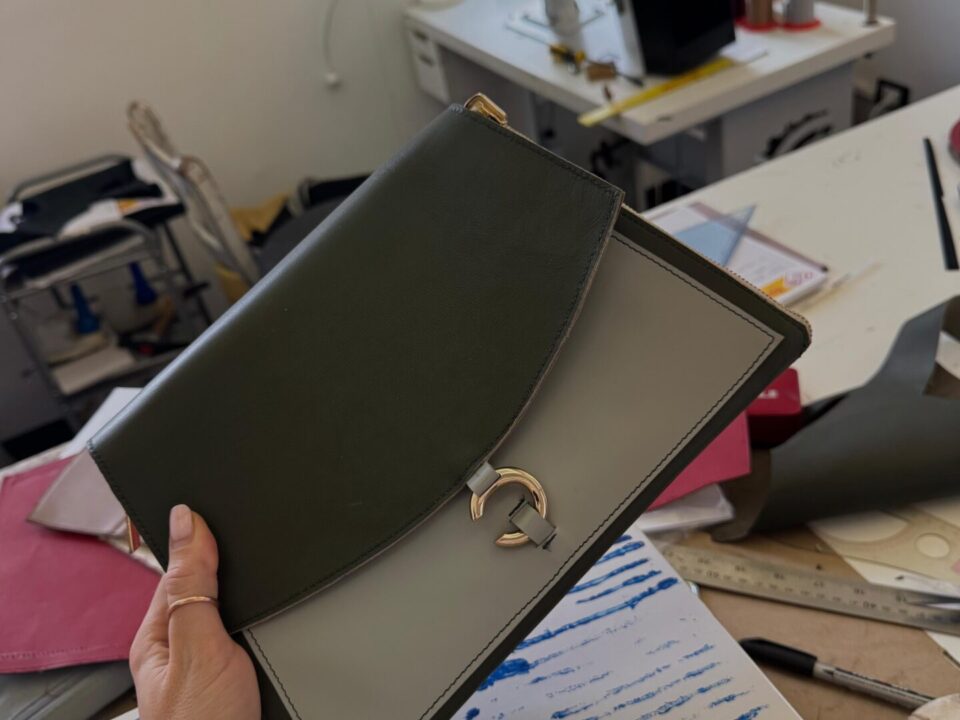
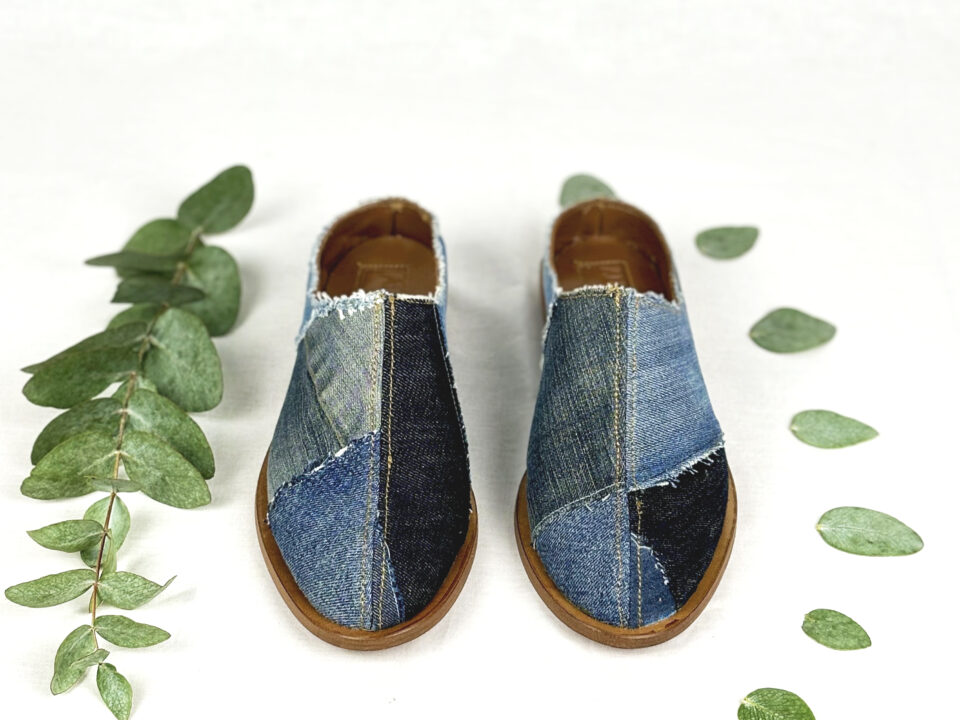
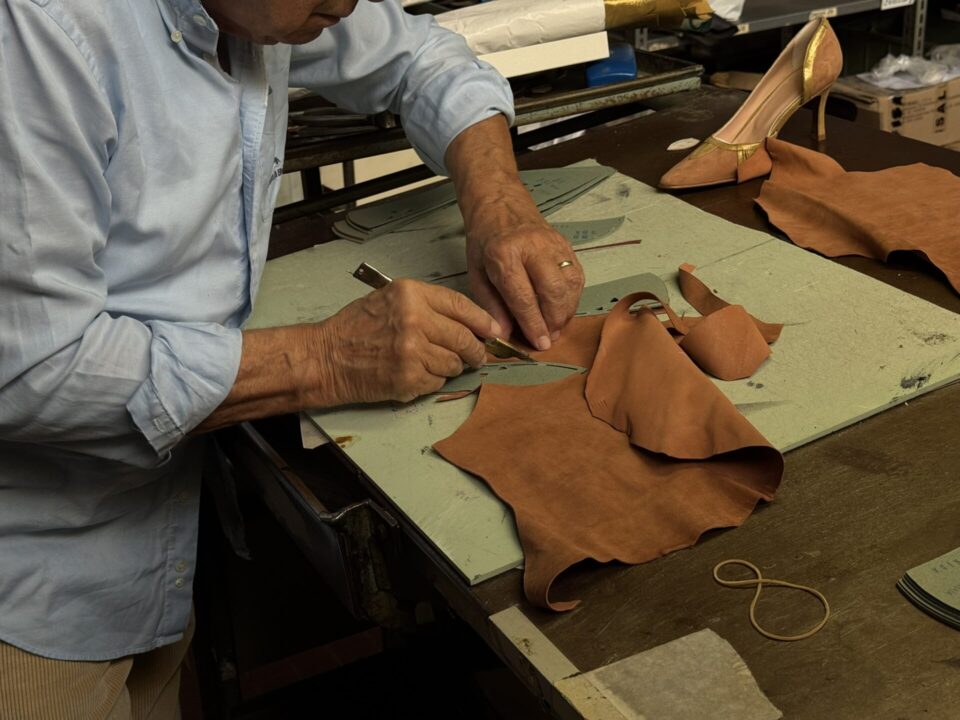
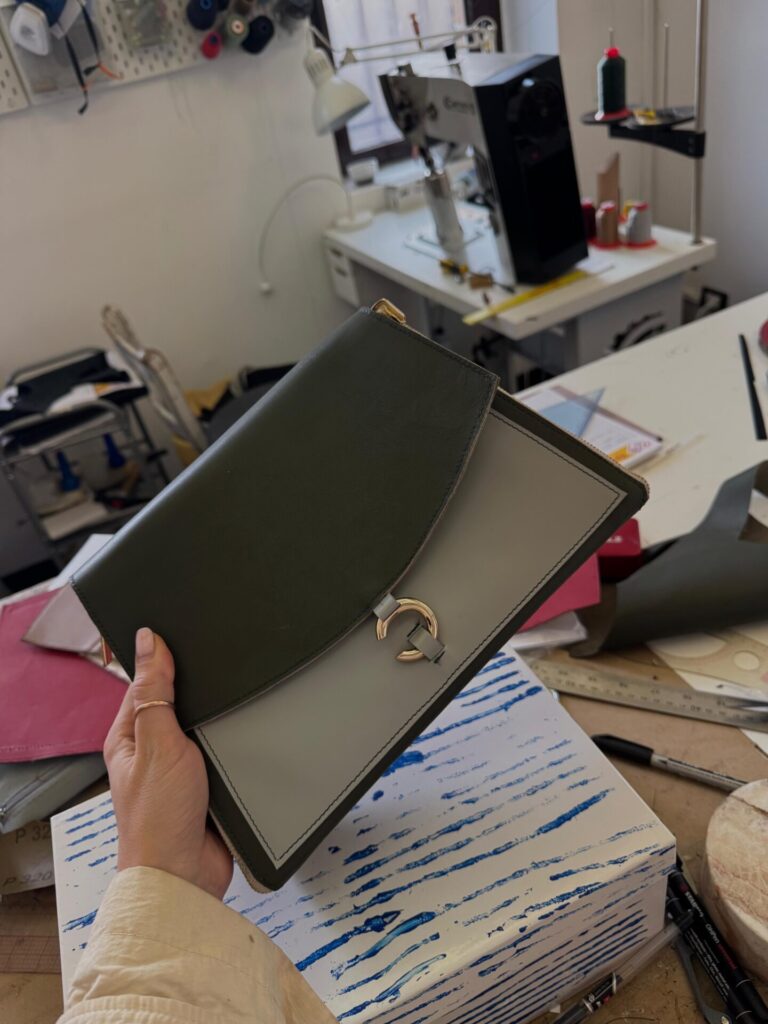
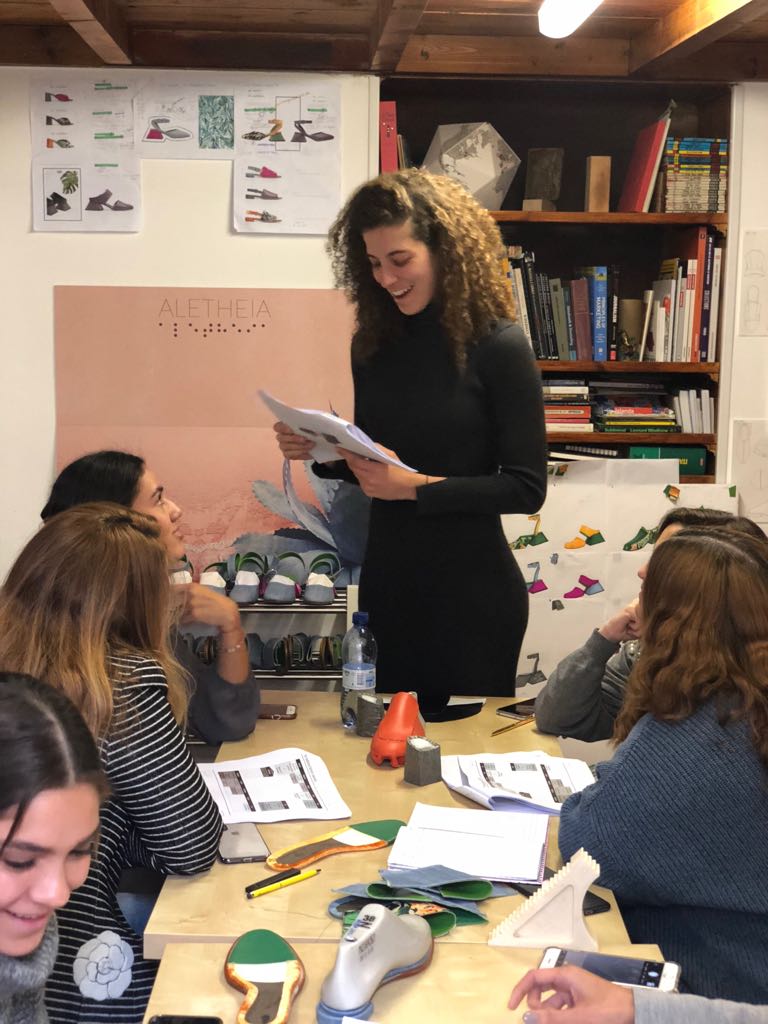
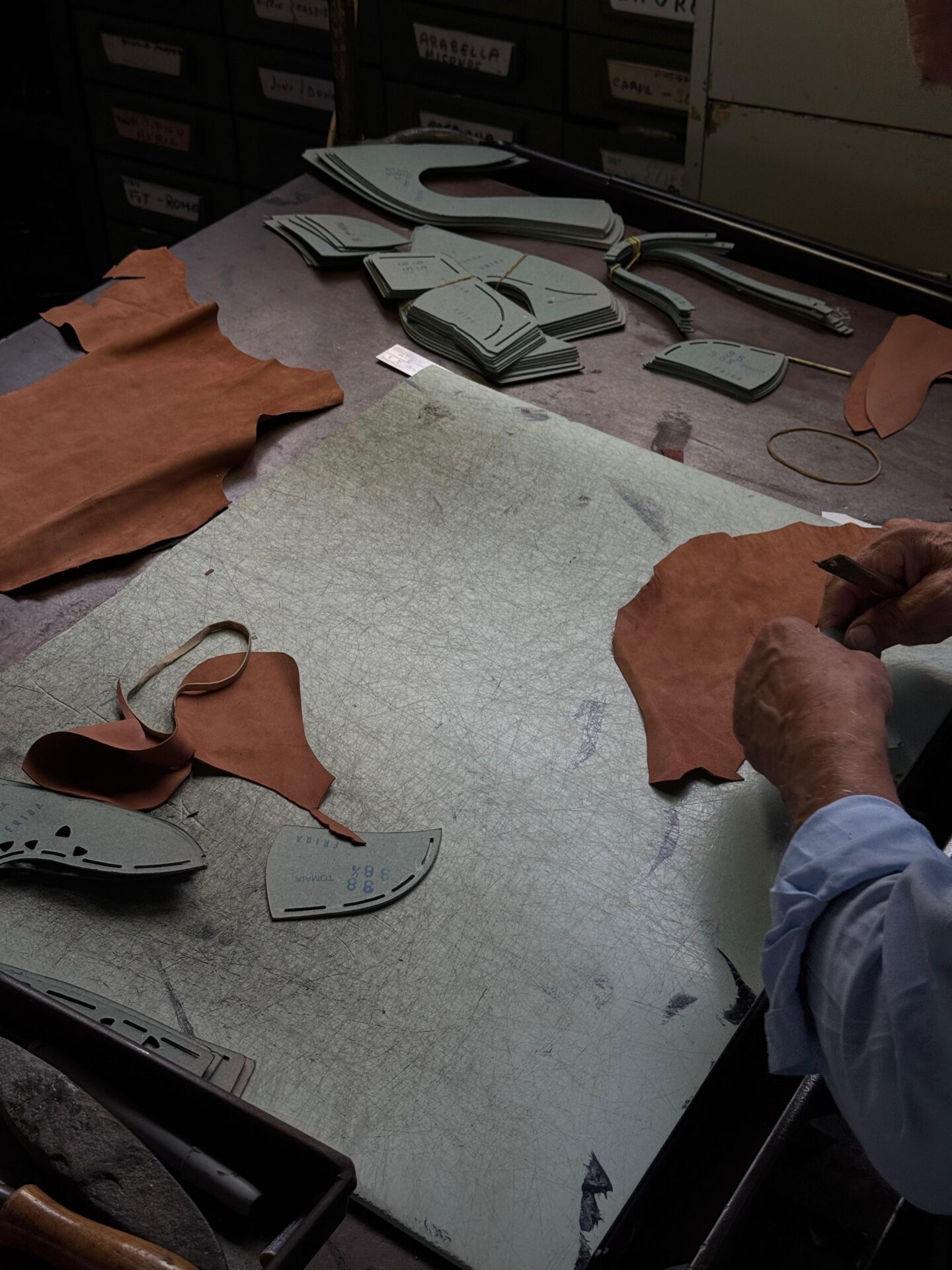
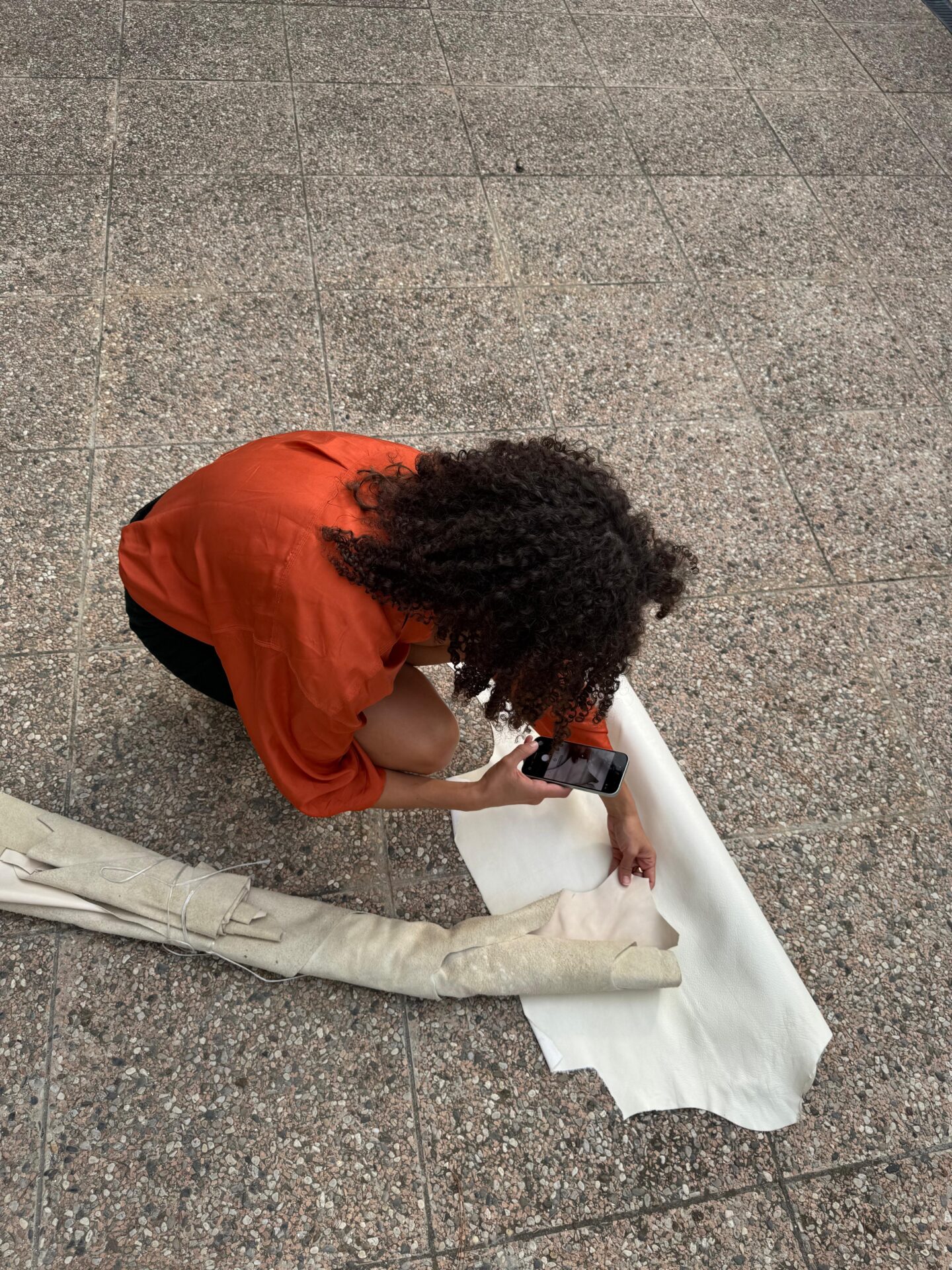
We work with founders and brands from around the world developing and producing products in Italy. We work with more than 50 suppliers every month, many of whom we’ve built relationships with for more than a decade. We have internal production capabilities and a network of artisans and partner factories. We develop, source, prototype, sample and manage production.
And when something doesn’t work, we don’t pretend that product development is a straight line. We go back. We change the pattern. We find another material. We call another supplier. We solve it.
Because after all these years, I don’t believe good product development means that nothing ever goes wrong. It means building a system capable of responding when it does.
That’s a very different thing.
What Aletheia gave me.
And perhaps that’s the biggest thing Aletheia gave me.
I lost the company I thought I was building. But everything I learned trying to save it became the foundation of the company I have today.
I wouldn’t choose to learn it that way again. But I wouldn’t build DYC the way I do today without it.
And every time a founder hands us an idea and trusts us to turn it into something real, I know exactly how much that trust is worth.
Because once, I learned the cost of losing it.
Building a footwear brand of your own?
DYC was built to give founders the product expertise, network and production structure I wish I’d had when I was building mine.